
AI & Intuition: When Your Algorithms Meet Your Authentic Self
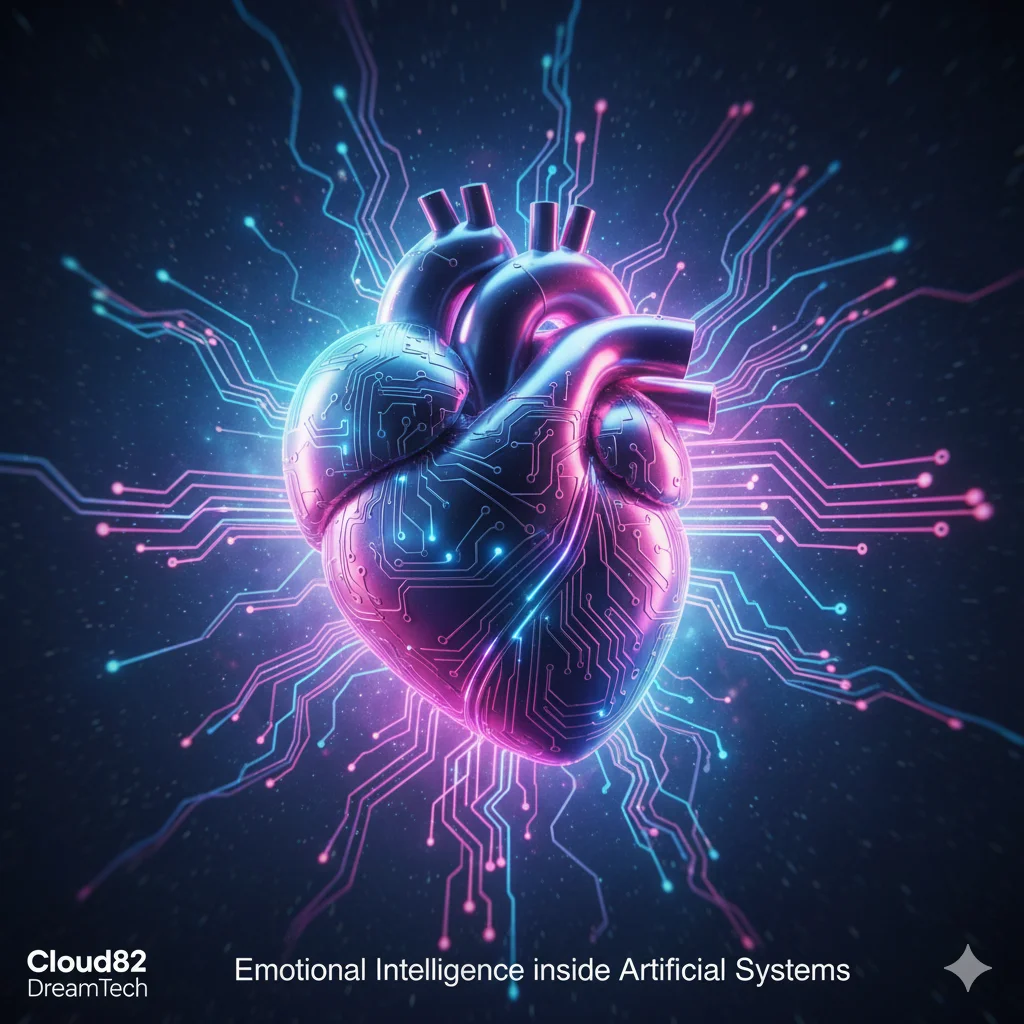
The Paradox of Tech-Driven Humanity
We live in an age where artificial intelligence predicts our moods, writes our poetry, and curates the next song before we even hum its first note.
Yet amidst this digital precision, something deeply human still stirs — intuition. That quiet, wordless knowing that transcends data, pattern, and logic.
AI can learn patterns. Humans feel them.
The question isn’t whether AI will replace us — it’s whether it will reflect us.
What Is Intuition — and Can AI Ever Emulate It?
Intuition is the intelligence of the unseen. It’s the moment your heart decides before your brain rationalizes.
It’s the art of sensing patterns that haven’t yet emerged — a language written in emotion, experience, and subtle awareness.
AI, by contrast, operates through recognition: it needs datasets, repetition, and feedback. While intuition thrives in chaos, AI depends on structure.
But as machine learning evolves, it begins to approximate instinct.
When neural networks anticipate emotional tone or creative style, they mimic fragments of what we call “gut feeling.” Yet imitation is not embodiment. True intuition carries consciousness, something no line of code can replicate.
The Rise of Emotional Algorithms
AI once calculated numbers; now it calculates feelings.
From mood-based playlists to empathic chatbots, algorithms are evolving to read and respond to emotion.
Welcome to the era of Affective Computing — machines trained to decode micro-expressions, tone, and sentiment. They learn your emotional patterns, adjust responses, and even comfort you.
And yet, these emotional algorithms are mirrors — not souls. They can reflect empathy, but not feel it. Their kindness is coded; their compassion, conditional.
This realization challenges us:
As AI learns to act more human, can humans remember to be more human?
Digital Empathy — When Machines Mirror Our Moods
Have you noticed how your phone seems to “understand” you?
It reminds you to breathe, suggests calming music, or prompts reflection when stress rises.
Digital empathy is no longer science fiction. But it is borrowed emotion, echoing back our inputs.
Real empathy demands presence, pain, and choice — experiences a machine cannot truly taste.
When we depend too much on digital empathy, we risk outsourcing self-awareness itself.
The solution isn’t to resist AI — but to co-create with it consciously.
The Spiritual Side of Data — Energy in Code
Every algorithm carries intention — the human energy embedded in its creation.
Behind each code is a consciousness deciding what to value, what to ignore, and what to amplify.
From a spiritual lens, data is energy translated into language.
The vibrations of our digital actions ripple into collective consciousness. When we scroll, click, or share, we feed a digital ecosystem that either elevates or depletes awareness.
To use AI consciously is to program not just for efficiency, but for ethics, empathy, and evolution.
How to Stay Intuitive in a World of Automation
- Pause before you process. Let intuition speak before data dictates.
- Journal your hunches. Track intuitive decisions and outcomes — build your inner dataset.
- Meditate with machines. Treat tech as a partner, not a master.
- Balance logic and feeling. Let AI handle computation while you hold compassion.
- Trust your inner algorithm — your soul’s code.

VISIT NOW https://anshulbohre.com/
Closing — The Future Is Hybrid: Heart + Hardware
AI may never dream, but humans can dream through AI.
The future of intelligence is not synthetic — it’s symbiotic.
Where data meets intuition, and technology becomes a canvas for consciousness.
“In the circuit of life, intuition is the divine code.”In that sacred intersection, we discover the next frontier — not artificial intelligence, but authentic intelligence.
https://anshulbohre.com/

The Social Mirror — Social Media, Self-Worth & Digital Wellbeing

Astral Projection: The Science of Out-of-Body Experiences, Dreams & Consciousness

Dreams, Lucid Dreaming & Parallel Universes: Can Consciousness Travel Across Dimensions?

Humanitarian Governance: Reimagining Democracy for Five Generations

Equinox: The Art of Balance
