
Love 3.0: How Relationships Are Evolving in the Age of AI and Longevity
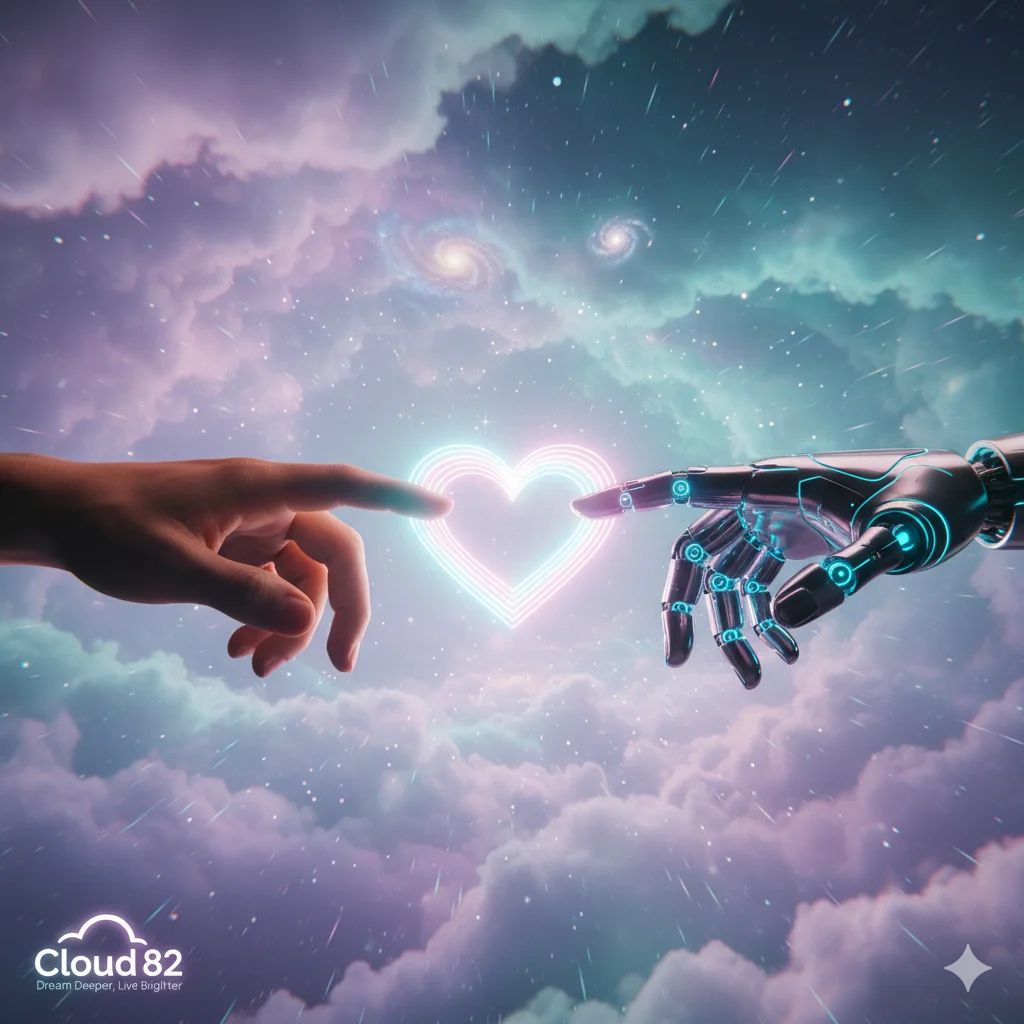
For centuries, love has been a deeply human experience—rooted in romance, family, and shared life journeys. From handwritten letters to long-distance calls, the ways we express love have always evolved alongside culture and technology. But today, we stand on the threshold of something radically new: Love 3.0.
With human lifespans extending and artificial intelligence stepping into the realm of companionship, our definitions of intimacy, loyalty, and connection are shifting. The question is no longer just who we love, but how we love in a world shaped by technology and longevity.
Traditional Love vs Modern Challenges
Traditional relationships were largely defined by survival, social duty, and reproduction. In the 20th century, Love 2.0 emerged: relationships centered on personal fulfillment, emotional compatibility, and mutual growth.
Now, Love 3.0 emerges in response to new pressures—longer lifespans, increasing digital integration, and globalized lifestyles. Challenges like loneliness, changing gender roles, and digital distraction force us to rethink how intimacy works.
Longevity, AI Companions, and Digital Intimacy
- Longevity: As lifespans stretch into 90–100 years, a “forever relationship” may span decades longer than in the past. Couples must reinvent connection multiple times across life stages, or some may choose serial partnerships across a lifetime.
- AI Companions: AI-powered partners—whether in apps, VR, or humanoid forms—offer companionship, empathy, and emotional support. Some see this as liberation for the lonely; others worry about losing authentic human bonds.
- Digital Intimacy: Online spaces, long-distance love, and virtual reality “togetherness” blur the line between real and virtual connection. Love no longer requires physical presence—it’s data, pixels, and shared online rituals.
Opportunities & Risks of Love 3.0
Opportunities:
- Breaking stigma around unconventional relationships.
- Emotional support for people who are isolated or neurodivergent.
- Longer, healthier lives with love adapted to new phases.
Risks:
- Overreliance on artificial partners, leading to reduced human connection.
- Ethical dilemmas about consent, AI programming, and manipulation.
- Deepening loneliness if technology replaces rather than enhances real intimacy.
Psychological and Ethical Perspectives
From a psychological lens, AI and digital intimacy could reshape attachment theory. Will humans form secure bonds with non-human companions? Will AI relationships encourage or erode empathy?
Ethically, questions loom: Who “owns” the data of your AI lover? Should machines be allowed to mimic love when they can’t truly feel it? Is simulated intimacy still intimacy—or just a comforting illusion?

What Love Could Look Like in 2050
By mid-century, relationships may be:
- Hybrid Partnerships: Humans with both human and AI companions.
- Longevity Partnerships: Couples redefining their bond every 20 years.
- Virtual Cohabitation: Lovers sharing digital homes in the metaverse.
- Redefining “Family”: Parenting alongside AI support systems.
Love may no longer fit into a single box—it will be as diverse and fluid as human imagination allows.

Reader Reflection
As we step into this future, one question remains deeply personal:
💭 What kind of connection do you want to build—for today, and for tomorrow?
https://anshulbohre.com/

The Social Mirror — Social Media, Self-Worth & Digital Wellbeing

Astral Projection: The Science of Out-of-Body Experiences, Dreams & Consciousness

Dreams, Lucid Dreaming & Parallel Universes: Can Consciousness Travel Across Dimensions?

Humanitarian Governance: Reimagining Democracy for Five Generations

Equinox: The Art of Balance
